From chat to action: why robots need language models
A chat assistant can be “right” in words and still be useless at work, because real tasks require choosing actions under constraints: time, space, tool availability, and uncertainty. Robots and workplace automation face the same gap. Someone says “clear this table” or “restock aisle three,” but the system has to interpret intent, ask the missing questions, break the job into steps, and recover when reality doesn’t match the plan.
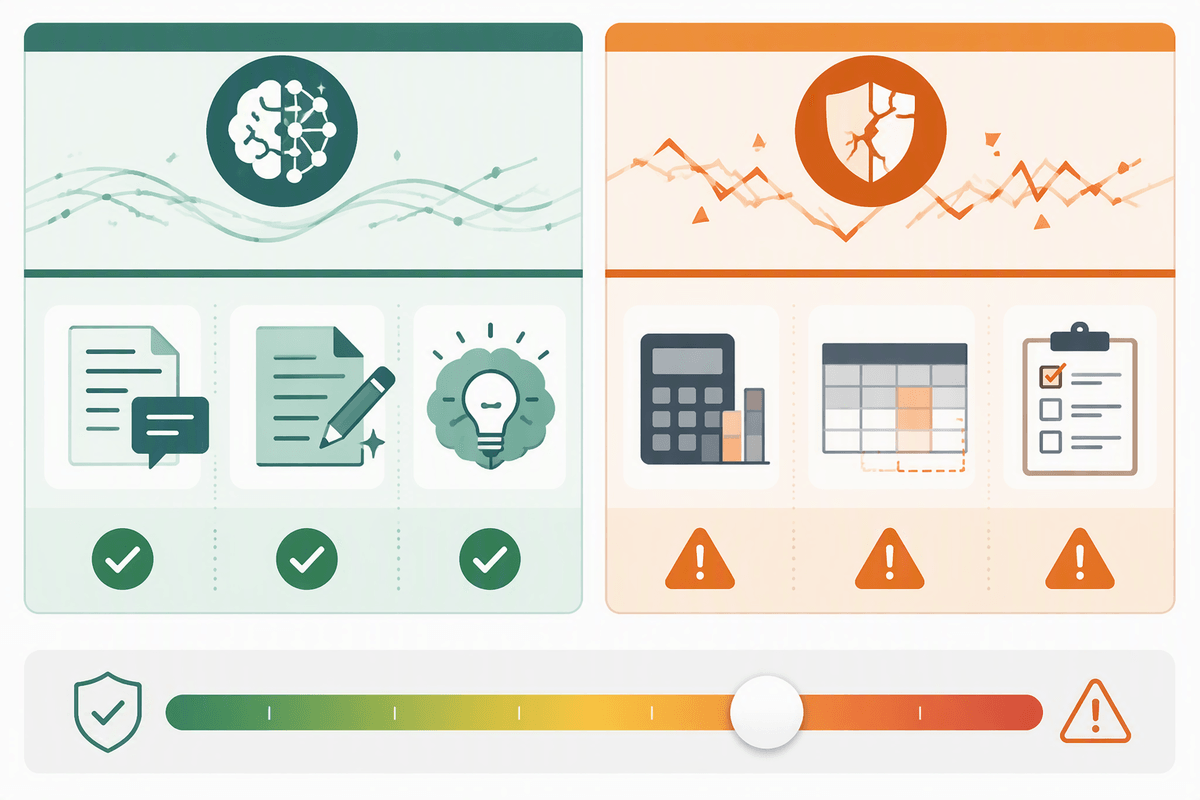
Language models help because they’re strong at turning messy instructions into structured plans, translating between human terms and machine commands, and coordinating many small decisions without hard-coding every scenario. They don’t replace motion control or safety systems; they sit above them, acting like a flexible interface and planner. Every extra step (perception, tool calls, confirmations) adds latency and failure modes, so “chatty” intelligence has to become disciplined execution.
Where language models help most in real-world robotics
Watch where today’s successful deployments concentrate: not on freestyle manipulation, but on the “glue work” between people, software, and pre-defined robot capabilities. Language models earn their keep when the job is ambiguous in words but constrained in actions—turning “pick the urgent orders first” into a prioritized queue, mapping “avoid the wet area” to a no-go zone, or translating a supervisor’s instruction into parameters a navigation or pick system already understands.
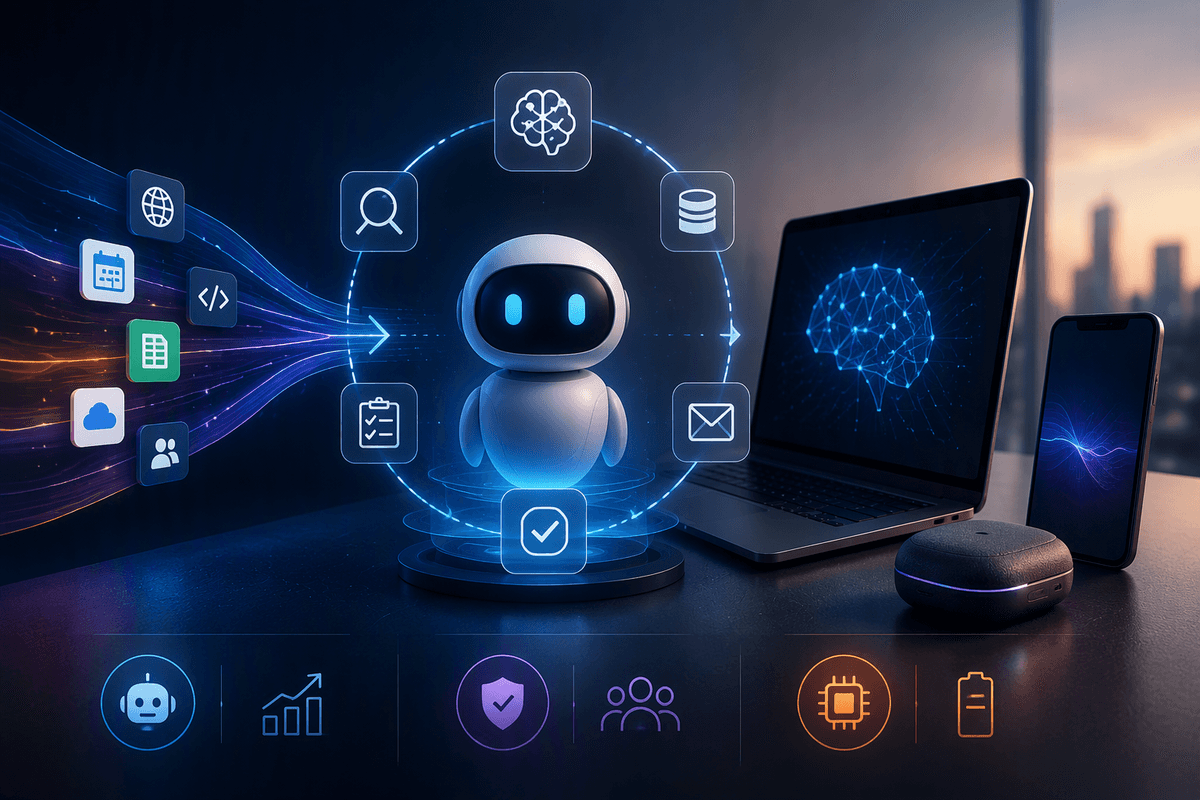
They also help most as tool-users and interfaces: calling inventory systems, pulling a work order, generating a checklist, asking a clarifying question, then issuing a small number of well-formed commands. Each integration (APIs, maps, permissions, sensor feeds) takes real engineering time, and every external dependency can fail. The practical win comes when the model reduces operator burden without becoming the thing that must be trusted for low-level safety.
Turning words into movement: the typical system stack
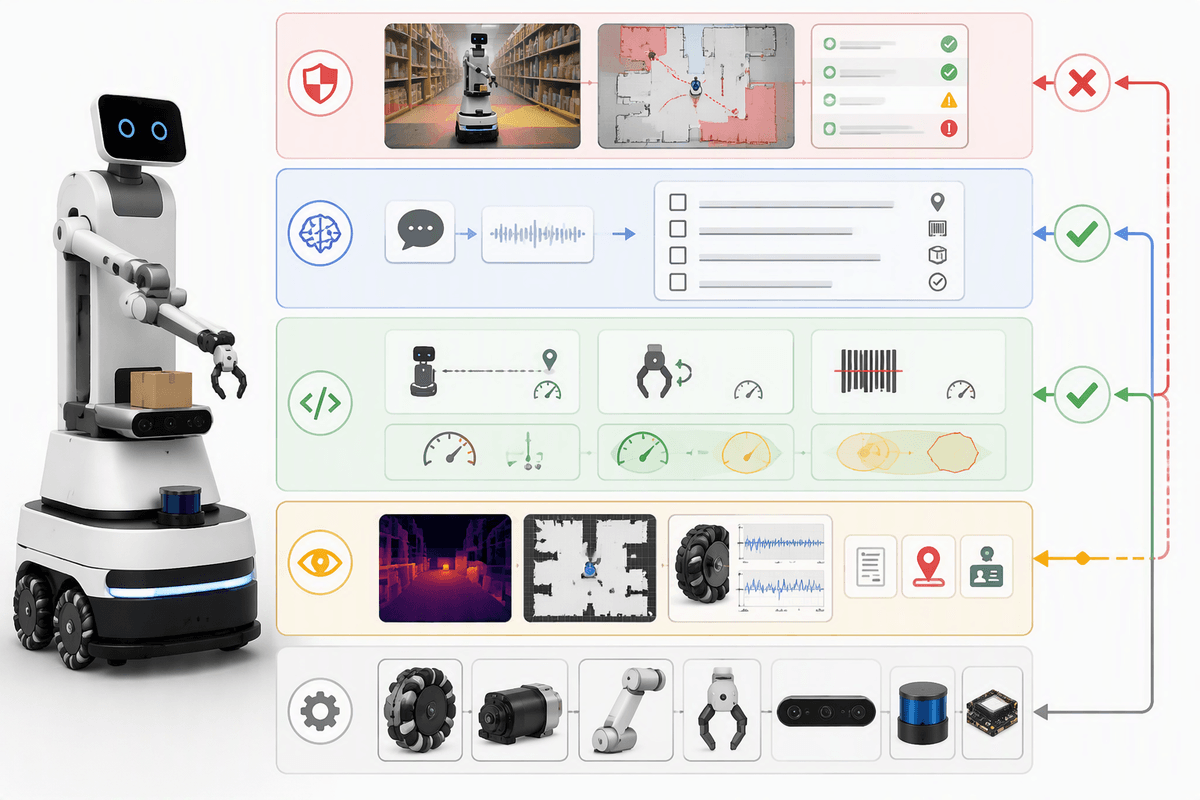
A familiar pattern is a robot that “understands” a request in plain language, but never sends raw motor commands from the model. The stack usually starts with perception and state: cameras, depth, encoders, maps, and whatever business context matters (orders, locations, permissions). Above that sits a controller layer that can reliably do specific things—drive to a waypoint, open a gripper, scan a barcode—often with hard limits on speed, force, and allowed regions.
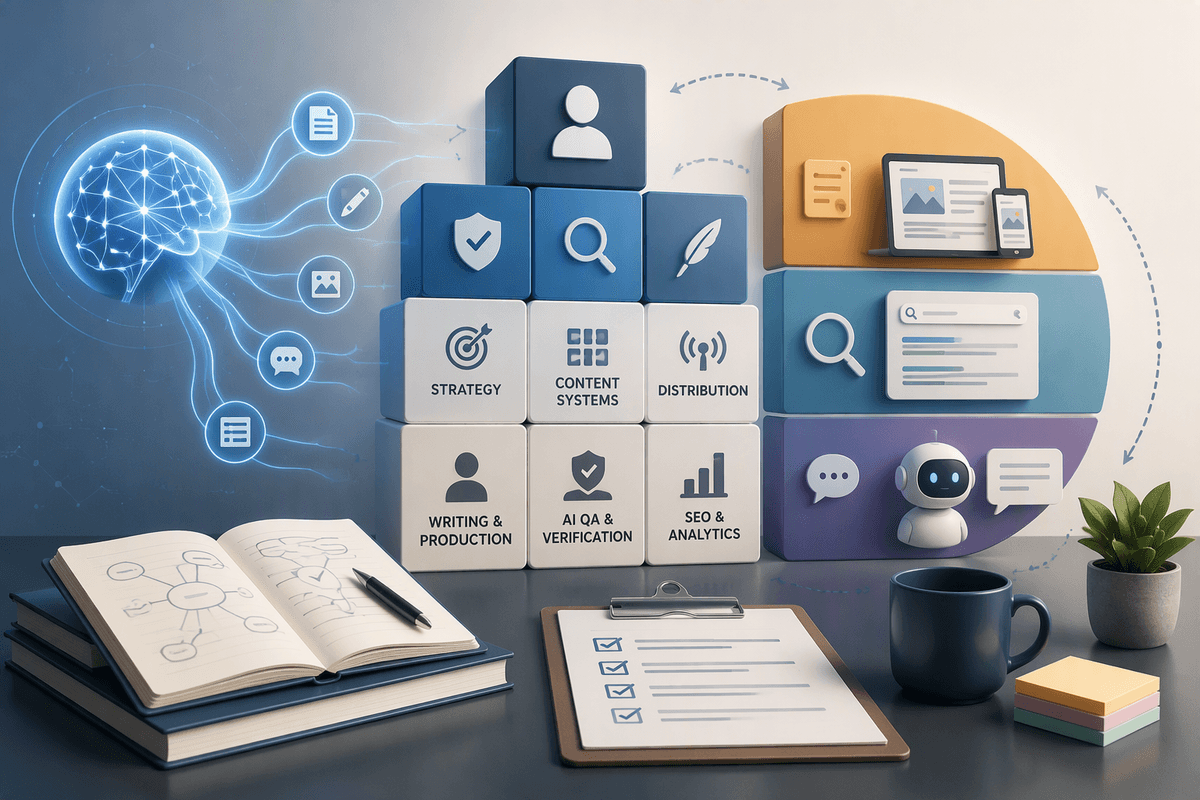
The language model typically lives one layer higher as a planner and translator. It turns “clear this table” into a sequence like identify items, choose a bin, pick, place, and verify, then calls the robot’s skills through a tool/API boundary that returns structured results and errors. A supervisor module (rules, checks, or another model) gates risky actions, asks for confirmation when confidence is low, and triggers recovery routines when reality diverges.
Every layer adds integration cost and latency, and “good enough” behavior depends more on well-defined skills, clean interfaces, and observability than on clever prompting.
Tools, skills, and APIs: making assistants actually do things
A useful way to think about “LLM control” is that the model shouldn’t do actions; it should choose from actions you already know how to execute. Teams package those actions as tools or skills with narrow inputs and crisp outputs: “navigate_to(location_id),” “pick(object_id, grasp=top),” “scan_barcode(),” “create_ticket(priority, photo).” The model’s job becomes selecting the next call, filling parameters from context, and handling failures like “object not found” or “gripper slip” by retrying, escalating, or asking a human a targeted question.
The API boundary is where reliability is won or lost. If tool responses are unstructured, ambiguous, or missing timestamps and robot state, the assistant drifts into guesswork. Strong implementations enforce schemas, permissions, rate limits, and dry-run modes, and they log every call for audit. You’ll spend more time hardening two or three critical tools than “adding an LLM” to everything.
Reliability and safety: what goes wrong in physical settings
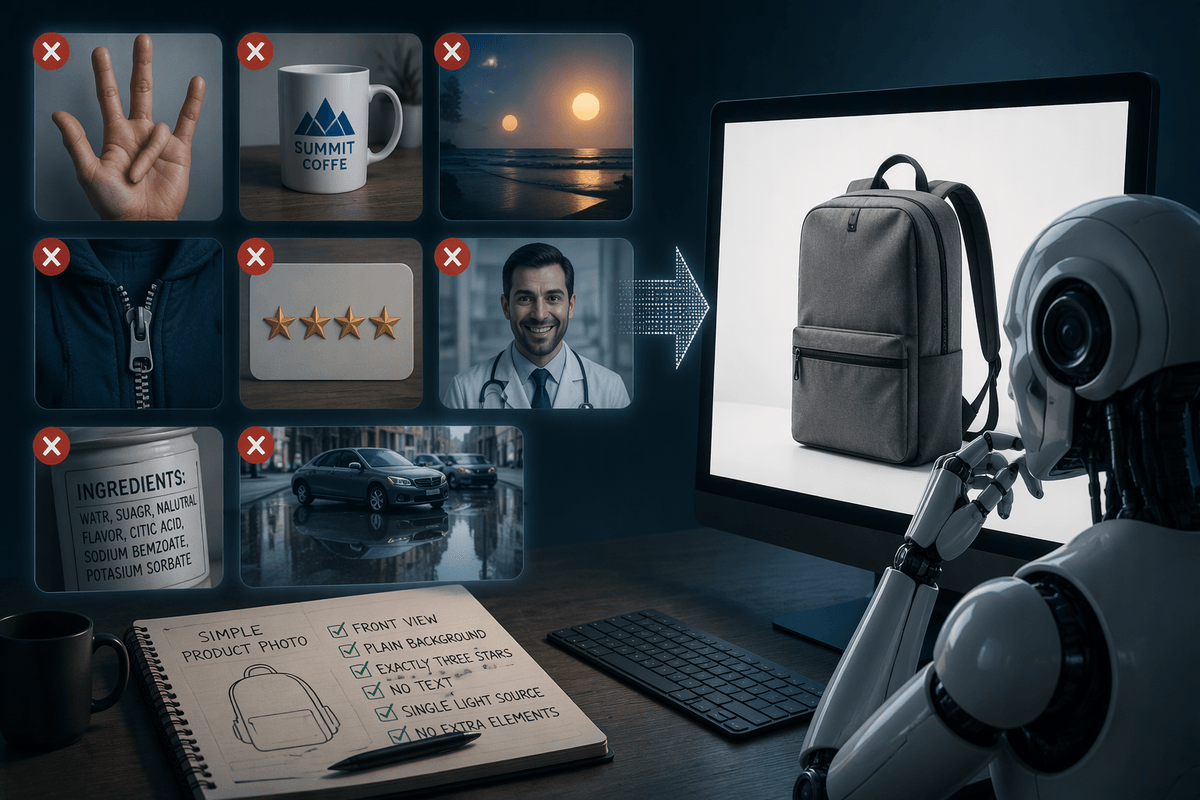
Anyone who’s watched a robot work for a week has seen the same pattern: the first demo fails in boring ways. A box is slightly out of place, lighting changes, a reflective wrapper confuses vision, Wi‑Fi drops for 20 seconds, or a barcode is smudged. The language layer can respond fluently while the robot is stuck, repeating a plan that no longer matches the scene. Tool calls time out, the state estimate is stale, and “success” becomes a guess unless the system forces re-sensing and explicit verification.
Safety failures are usually boundary failures: the model asks for an action that’s valid in the abstract but wrong in the moment—moving through a blocked aisle, reaching into a bin where a hand is present, or applying force to an object that isn’t what the system thinks it is. Practical deployments lean on hard constraints (speed/force limits, geofences, e-stops), conservative gating for irreversible actions, and escalation paths that cost time and labor. The operating principle is simple: treat the model as fallible decision-making, and make the physical layer unforgiving about what it will actually allow.
Data and evaluation: proving it works beyond demos
The pilot looks great when the scene is curated and the operator knows what to say. Field performance depends on the long tail: odd packaging, partial occlusions, rushed human handoffs, and tasks that arrive out of order. Useful datasets capture that mess on purpose—sensor snapshots, tool-call logs, retries, and the exact prompts and parameters that led to actions—so you can replay decisions and see where the system hallucinated, stalled, or acted on stale state.
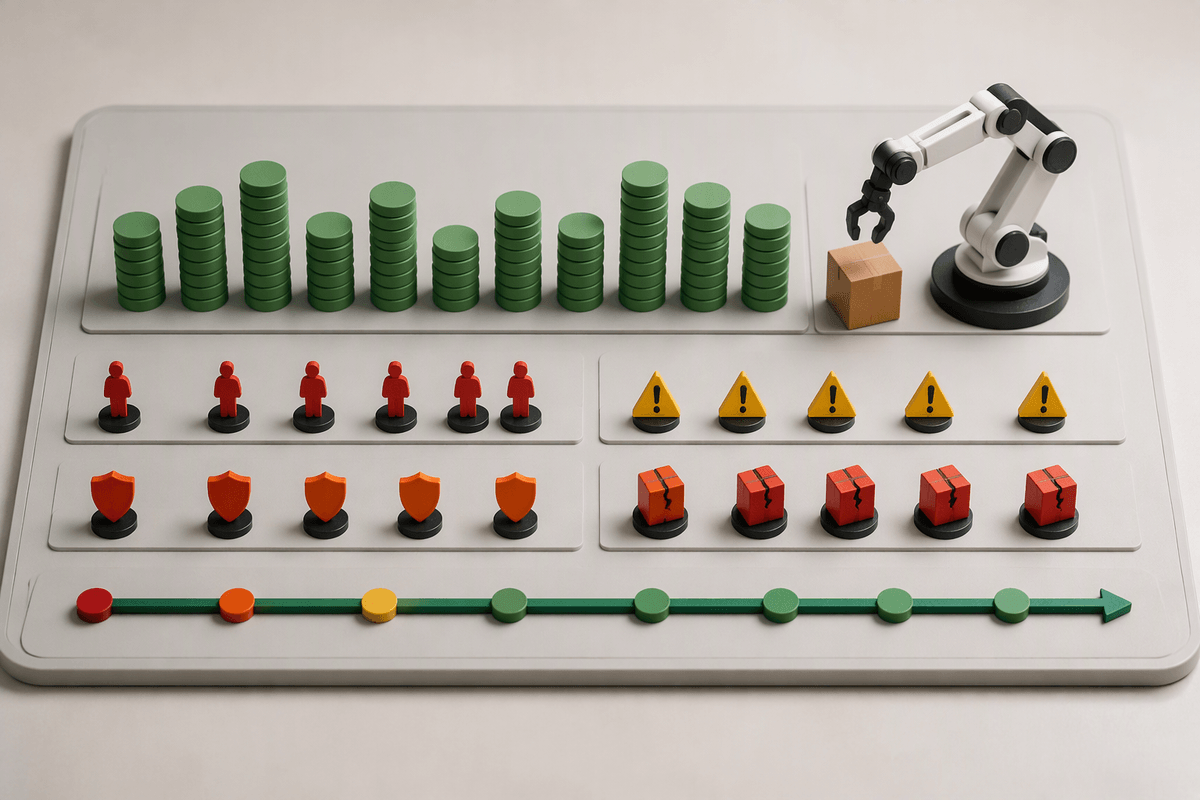
Evaluation has to move past “task completed” into measurable rates: successful picks per hour, interventions per shift, near-miss safety triggers, damage incidents, and time-to-recovery after a failure. Teams also need slice metrics by site, lighting, SKU type, and network quality, because averages hide risk. The constraint is cost: labeling edge cases, running long-duration tests, and instrumenting robots for audit can take more effort than training the model.
Deploying in the field: operations, updates, and accountability
The first week in production is less about intelligence and more about operations: batteries that degrade, sensors that drift, floor layouts that change, and humans who develop workarounds that quietly break assumptions. If your assistant can’t tell you what it tried, what it saw, and which tool call failed, you won’t improve it—you’ll just restart it. Field teams end up needing dashboards for live state, alerting on intervention rates, and “black box” logs that tie each action to a timestamped scene snapshot and policy version.
Updates introduce a new kind of risk. A model tweak that improves planning in the lab can increase retries, latency, or unsafe proposals on one site with worse Wi‑Fi or different SKUs. Practical deployments use staged rollouts, canary robots, and the ability to roll back quickly, with explicit change control over prompts, tool schemas, and safety gates. Accountability is clearest when there’s an owner for every layer—model, skills, perception, and ops—plus a documented incident process that treats near-misses as data, not anecdotes.
Choosing a first project that can survive reality
A first project survives reality when the “action space” is small and the upside is measurable. Look for work where the robot already has reliable primitives—drive to fixed stations, scan, fetch from known bins—and the model mainly handles intent parsing, prioritization, and exceptions. If success depends on delicate manipulation, open-world object ID, or uninterrupted connectivity, you’re buying the hardest parts on day one.
Start with a workflow that tolerates conservative behavior: pause-and-ask, human approval for irreversible moves, and clear fallback when a tool call fails. Budget for integration and instrumentation as the main costs, not model prompts. A practical rule: pick a task where you can define “done” with a sensor check or system-of-record update, not a subjective visual judgment.