
Impact
Technology Hype Can Make Generative AI Progress Harder to Evaluate Clearly
Learn how generative AI hype distorts progress claims—and how to evaluate models using reliability, benchmarks vs. real work, edge cases, and true costs.

Technologies
New AI Features Do Not Always Represent the Best Available Model Capabilities
New AI features may run on smaller or constrained models. Learn how to identify the underlying model, limits, and evaluate with real prompts.

Applications
User Needs Should Guide Which AI Features Companies Build
Learn how to build AI features that users adopt by starting with real user jobs, prioritizing safe leverage, and designing for trust, verification, and recovery.

Applications
Multimodal AI Assistants Can Combine Text, Images, and Voice
Learn how multimodal AI assistants combine text, images, and voice to speed workflows, cut errors, and manage cost, latency, and privacy in real teams.

Impact
High User Expectations Can Expose the Limits of Generative AI Products
High user expectations expose generative AI reliability limits—how inconsistency, context gaps, and tone errors break workflows and erode trust.

Impact
Competition Between AI Platforms Can Accelerate New Model Development
How AI platform rivalry accelerates new model development through tooling, telemetry, infrastructure, and ecosystem pull—while increasing lock-in, safety, and fragmentation risks.

Impact
Real-World Adoption Can Matter More Than AI Hype
Real-world AI adoption beats hype: how to choose workflows, measure ROI, uncover hidden costs, and ship AI that sticks with real usage metrics.

Applications
AI Assistants and Robotics Are Bringing Language Models Into Physical Tasks
Learn how language models power robotics: turning intent into plans, using tools/APIs safely, improving reliability, evaluation, and real-world deployment.
Fresh perspectives
Latest Stories
Technologies
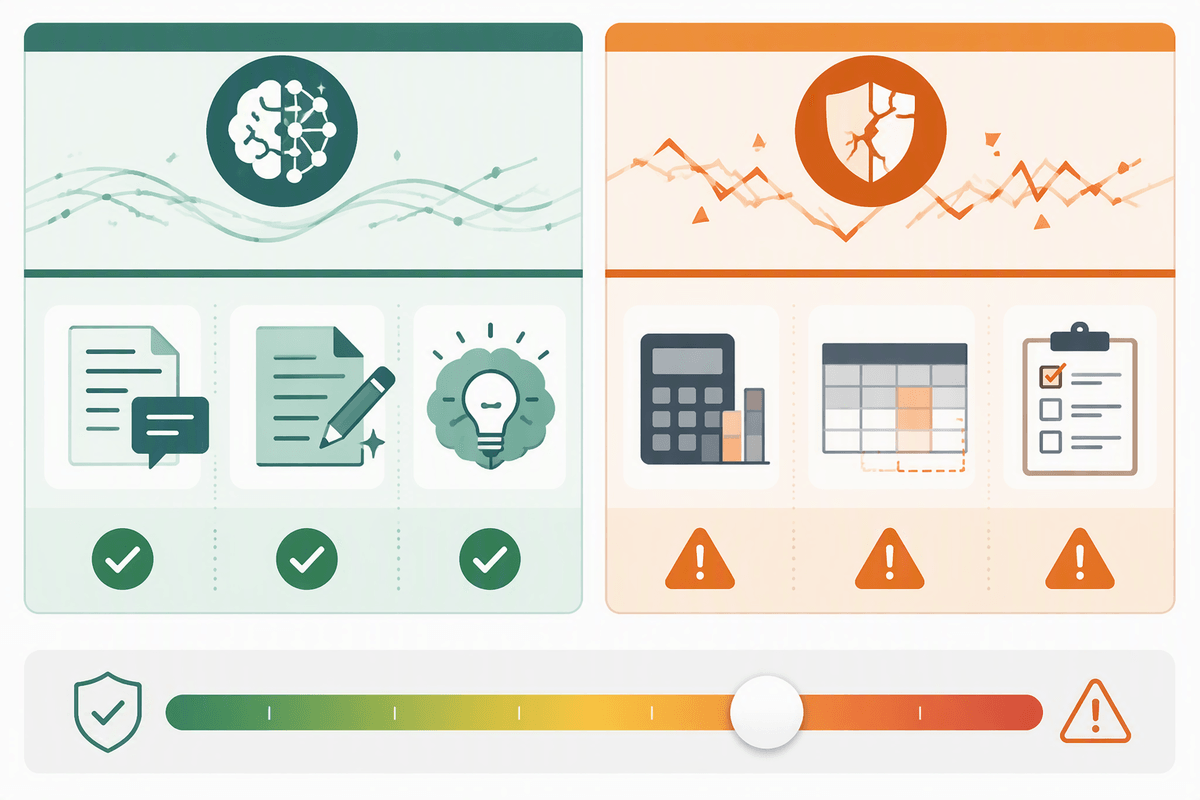
AI Reasoning Can Perform Unevenly Across Different Types of Tasks
Learn why AI reasoning varies by task, what causes confident errors, and how to design prompts, evaluations, and workflows that catch drift early.

Basics Theory
AGI Development Depends on Defining the Capabilities People Actually Need
Learn how to define “AGI enough” by naming real workflows, decomposing capabilities, and measuring reliability with scenario-based tests, trust, and responsibility.

Technologies
AI Hallucinations and Reasoning Limits Remain Key Model Reliability Problems
Learn why AI hallucinations and brittle reasoning undermine model reliability, how to map risk, and use retrieval, tools, tests, and monitoring to mitigate.

Basics Theory
Experimental AI Research Can Produce Useful Results Without Full Understanding
How experimental AI research yields useful results before full understanding, and how to validate, monitor, and ship models safely despite black-box behavior.

Basics Theory
AI Safety Depends on How Models Behave in Real-World Use
AI safety depends on real-world behavior: why lab evals miss workflow risks, and how to test in context, design guardrails, and monitor post-launch.

Technologies
AI Agents, RLHF Alternatives, and AI Devices Show Where Development Is Heading
AI agents, RLHF alternatives, and on-device AI signal a shift from chatbots to reliable workflows, faster tuning, and hybrid edge devices in product roadmaps.
Applications
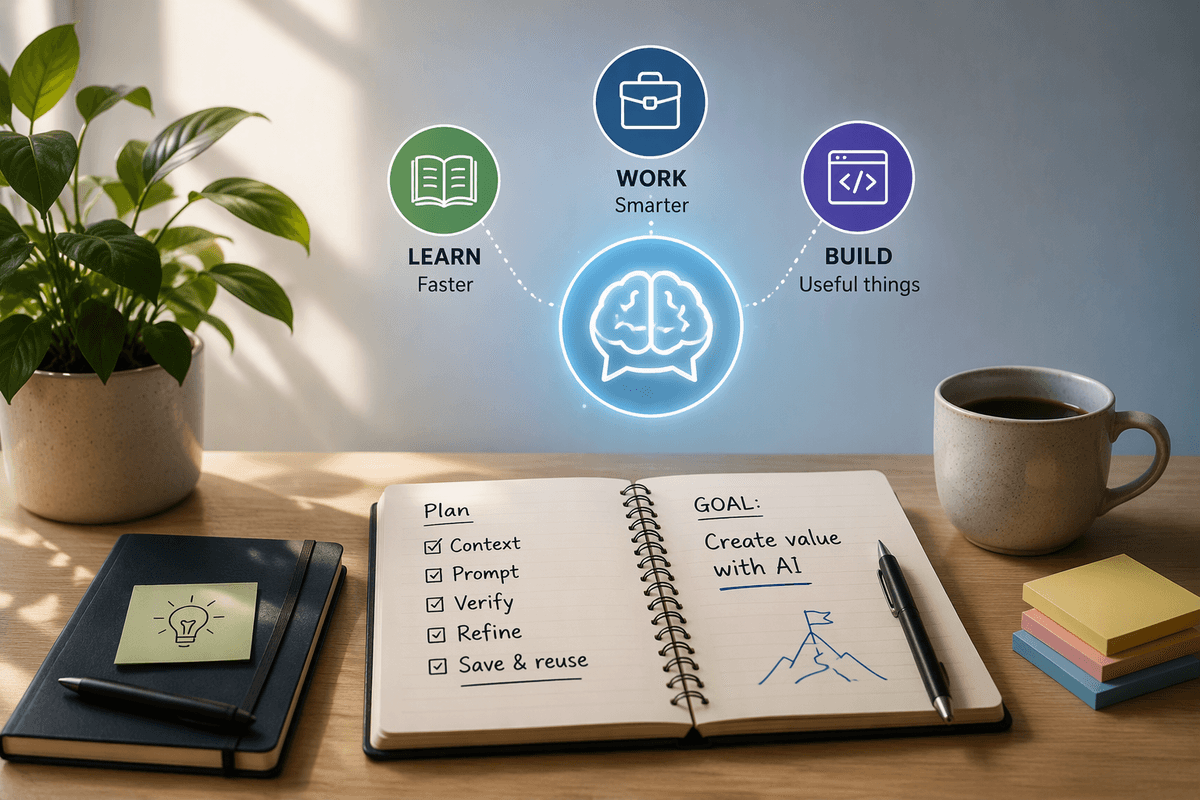
Start With Practical AI Skills for Learning, Work, and Building
Learn practical AI skills: prompt with context, verify outputs, and build simple workflows to study faster, write better, run meetings, and avoid privacy traps.

Impact
The ChatGPT Effect Is Spreading Across More Digital Tools
Explore the “ChatGPT effect” as chat assistants spread through software—and learn when they speed work, where they break, and how to choose safer AI tools.
Advertisement
Worth Your Time
Thoughtful reporting and useful ideas, selected for curious readers.

Leading AI Models Can Reach Similar Performance in Different Ways
Learn why top AI models can score similarly on benchmarks yet differ in data, architecture, alignment, latency, cost, and reliability—and how to choose the right one.
Triston Martin

AI Content Is Changing How Online Publishing Is Organized
AI in online publishing is reshaping org charts, workflows, and governance—shifting value from drafting to QA, sourcing, distribution, and standards.
Elva Flynn

Real-World Use Can Quickly Change Expectations Around New Models
Learn why new AI model demos break down in production and how to reset expectations with real-world testing, measurement, and rollout trade-offs.
Sean William

AI Literacy Matters More Than Knowing Every New AI Tool
AI literacy beats chasing every new AI tool: learn prompts, evaluation, and judgment, plus privacy/IP limits, to use AI reliably at work.
Christin Shatzman

Sensitive Questions Require More Than a Simple Chatbot Answer
Learn why sensitive questions break normal chatbot expectations and how to design safer AI: boundaries, triage, human escalation, privacy, and monitoring.
Isabella Moss
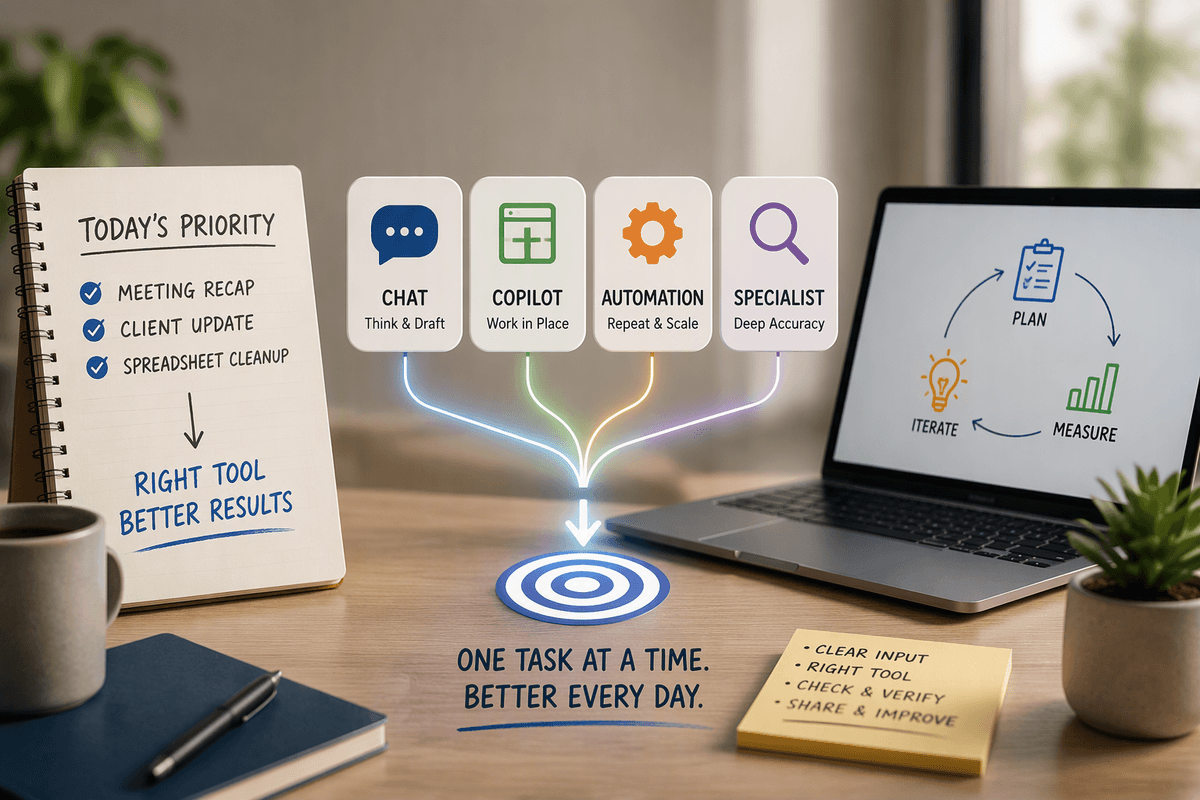
Choosing AI Tools Around a Specific Task Can Improve Daily Workflows
Learn how choosing AI tools around specific tasks improves daily workflows, with steps to map repeatable work, weigh constraints, and test a small stack.
Maurice Oliver

AI Copyright Questions Extend From Training Data to Generated Content
Explore AI copyright questions from training data to AI-generated content: what counts as copying, output similarity, ownership, and practical risk checks.
Tessa Rodriguez

Emotional Attachment Is Becoming a New Issue for AI Companions
Emotional attachment to AI companions is rising. Learn why it happens, design features that encourage reliance, risks in edge cases, and safer ways to use them.
Korin Kashtan
More to Explore

Technologies
Unexpected AI Outputs Show the Limits of Automated Image Generation

Basics Theory
Ten Uncomfortable Ideas That Challenge Common AI Assumptions

Impact
The AI Industry Bubble Shapes How Technology Is Discussed

Applications
Text-to-Everything Tools Are Broadening AI Content Creation

Impact
Advanced AI Models Are Changing Expectations for Machine Reasoning

Impact